Promotions SANA: Jusqu’à -20%, Cliquez ici
Promotions SANA: Jusqu’à -20%, Cliquez ici
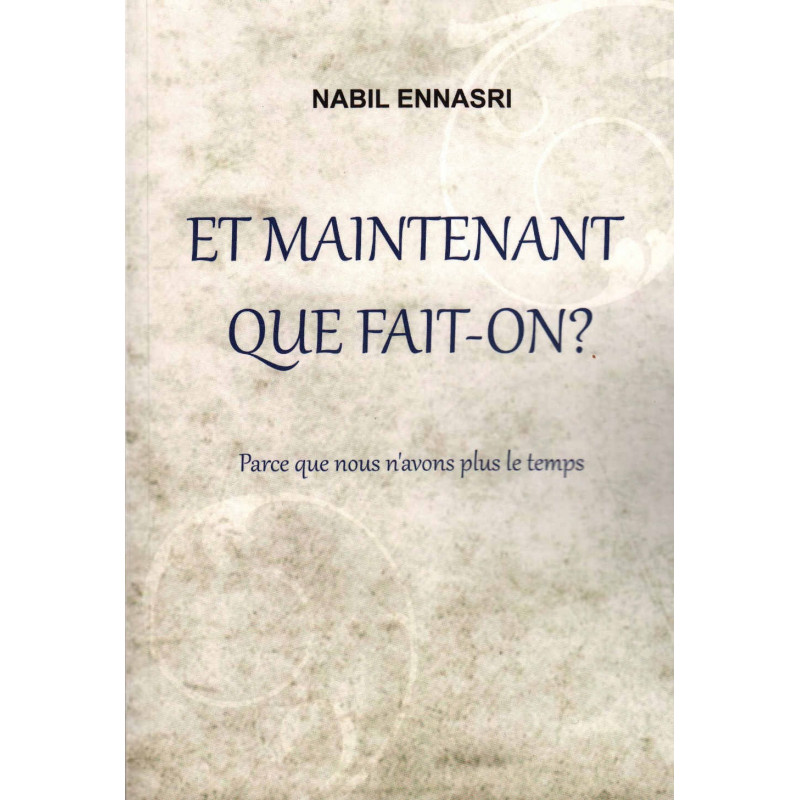
In 2015, France experienced its worst attacks since the Second World War. These attacks shocked the country and sparked a wave of indignation across the world. Fomented by organizations claiming Islam, these attacks occurred at a time when France was facing deep identity tensions, of which the high score of the National Front, which has become France's leading party, is only one of the many manifestations. Faced with the new challenges generated by current events in motion, the Muslims of France must make their voices heard. This book is therefore an essay intended to analyze the upheavals which have struck our country by returning both to the turbulent history of the Middle East and to the various factors which push young people in France and elsewhere to throw themselves into the path of radicalization. It also proposes a roadmap for society as a whole to take up the challenge of pluralism in a tense context marked by the state of emergency and the economic crisis.
Aware that the challenge of terrorism is central but that it should not prevent us from studying other equally important issues, the book also aims to deal with two phenomena that highlight a taboo within the Muslim community. : the phenomenon of prolonged celibacy and the marriage crisis. By identifying the anthropological, demographic, social and cultural causes, it draws up both an inventory and an outline of mobilization to reduce the suffering that has so far remained silent. If the link between the two subjects of this book does not seem at first glance, remember that without family and emotional stability, it will be difficult for Muslims in France to meet their heavy challenges of the moment.
Data sheet
Specific References
No customer reviews for the moment.